Berlin, May 5, 2023, Author: Matthias Ilgen
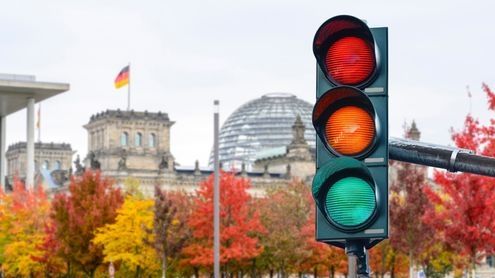
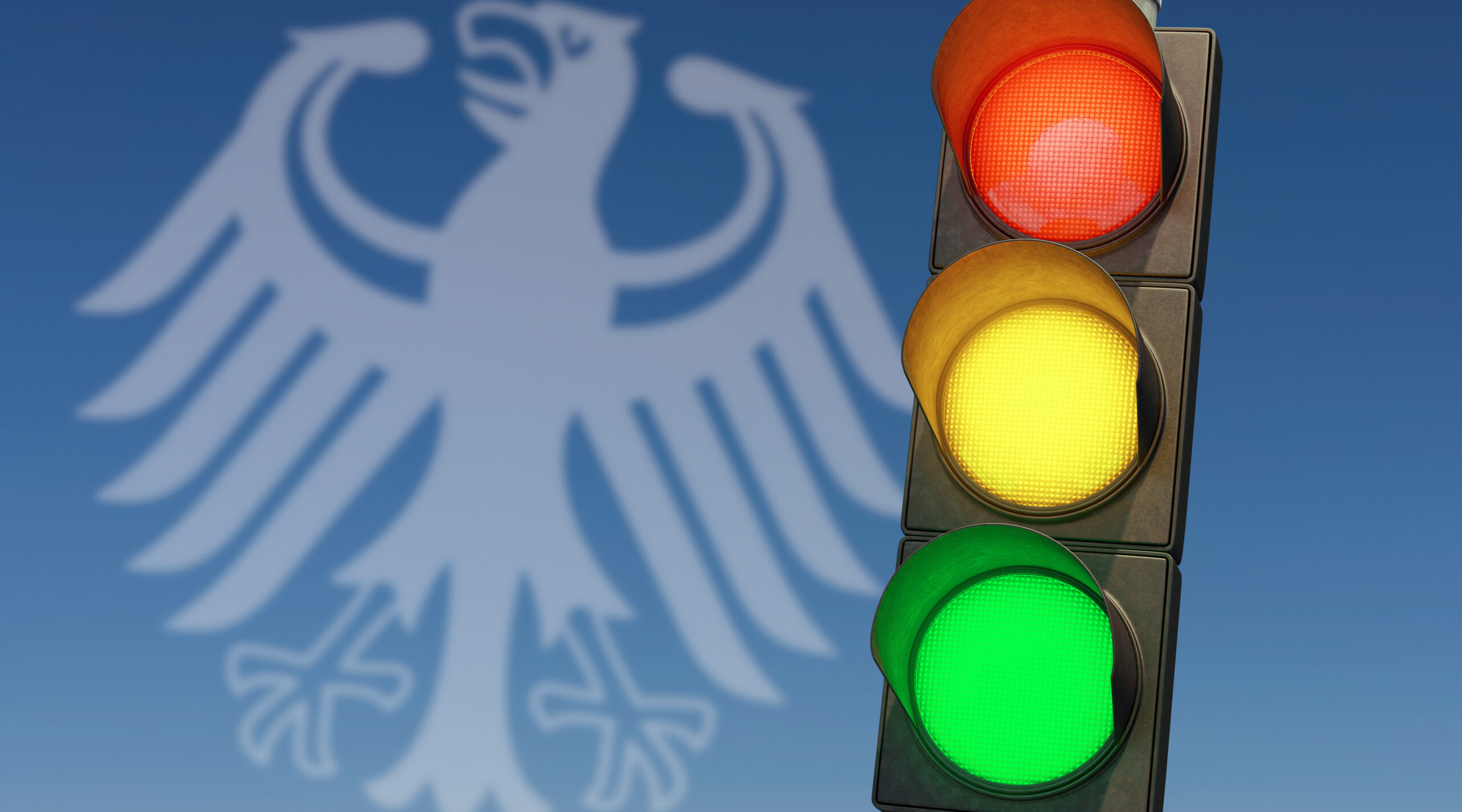
The traffic light coalition started as a progressive alliance aiming to cultivate a new political style. After a good year and a half in office, most observers see it as an everyday government that makes headlines through the partners„ constant public disputes – most recently in the well-known style of nightly marathon negotiations in the coalition committee. And the painstakingly achieved compromise on the Building Energy Act was already cast in doubt upon its adoption by the cabinet: With a minute of dissent from Federal Finance Minister and FDP leader Christian Lindner, who only gave his approval “recognizing upcoming significant improvements in the parliamentary process," the next controversy was already foreshadowed.
Why has so little of the initial optimism remained? Why do the three partners often attack each other so harshly in public, as if they weren't jointly supporting the federal government, but rather engaging in a kind of perpetual media election campaign? The answers are multifaceted.
The war in Ukraine, with its dramatic consequences for the economy and state finances, has undoubtedly significantly dampened the coalition climate. When there is less money to distribute, the political projects of the individual coalition partners compete more intensely for funds than they already do. Added to this are differing views on how to handle state finances, with the debt-willing Greens and SPD on one side, and the FDP and the Federal Chancellor as the ultimate guardian of the debt brake on the other.
When funds need to be freed up for important political projects in times of tighter budgets, but at the same time, tax increases are largely ruled out by the coalition agreement and the FDP's veto, and cuts to social benefits are also largely ruled out by the SPD's veto, the only remaining option in the reality of the federal budget is the reduction of direct and indirect (tax) subsidies.
A reissue of the „Koch-Steinbrück List“ from that time to make cuts „using the lawnmower principle“ seems politically difficult to implement due to many affected interest groups. In case of doubt, this therefore means cuts and the elimination of subsidies or privileges in very specific areas, on which either all coalition partners can agree, or where everyone has to swallow something.
It is high time for companies to adapt to this game, which will be fiercely debated in public again at the latest during the federal budget consultations. This is where what is considered „best“ for companies and citizens, depending on whether one looks through red, green, or yellow glasses, will come to the fore. However, within the ruling coalition, the question remains which company can play its argumentative trump cards in the game of distributing funding and whether these will bring the decisive victory.
If the outcome is not to be left to chance, it is necessary to plan the situation strategically – that is, to develop a political strategy based on sound analysis in order to successfully integrate one's own interests into the political process. On the one hand, it is important to prevent potential cuts to existing grants from negatively affecting one's own business model. On the other hand, it is crucial, especially with the substantial billions in the Climate and Transformation Fund, to ensure that one's own company can (continue to) benefit from restructured or new funding programs.
Those who plan wisely can shuffle the cards differently – or at least call the right suit to get the most out of their own hand. ALP is happy to support you with appropriate stakeholder analyses, political strategy concepts, and close contacts in parliament and government. If you are interested in a suitable offer or have further questions about our services, please do not hesitate to contact us!